Predictive maintenance that actually pays for itself
Moving from reactive work orders to maintenance tied to the outcome each repair produces.
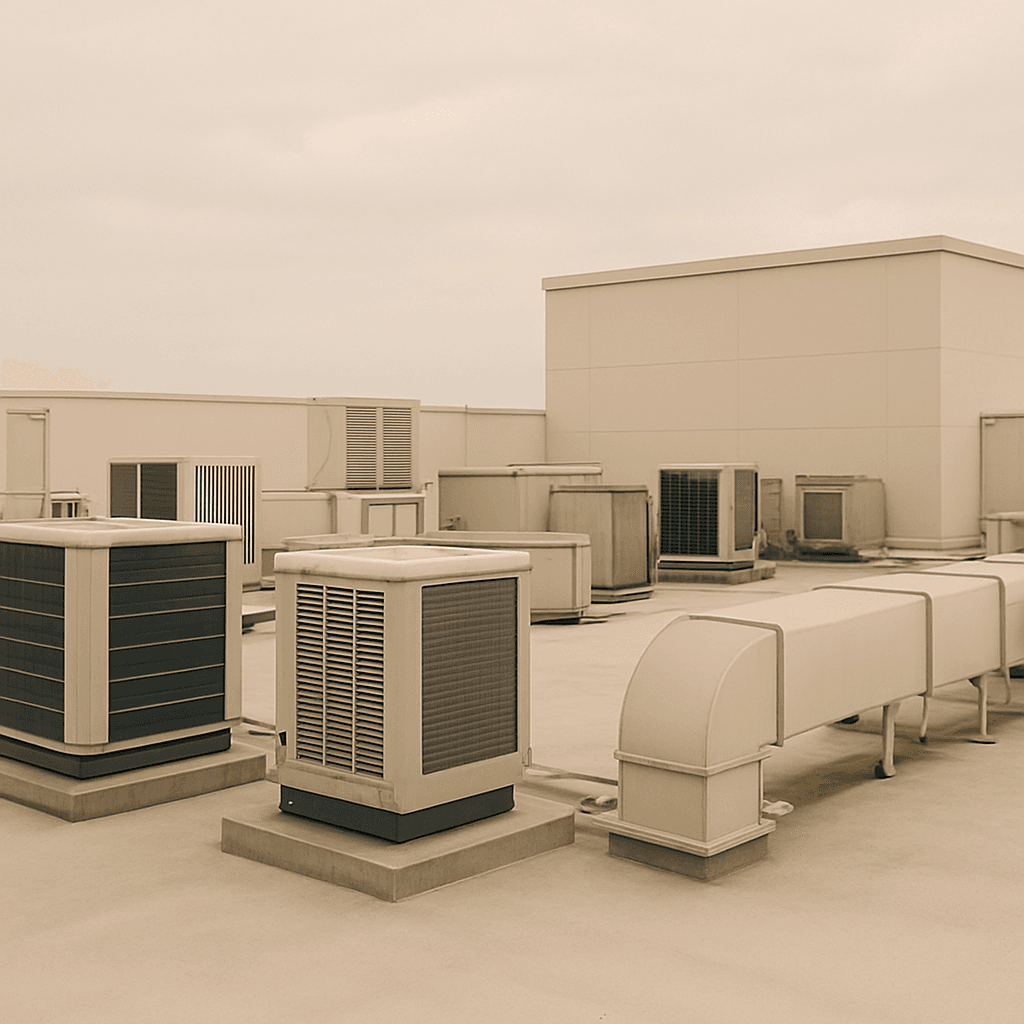
Predictive maintenance is easy to justify on a slide and hard to justify on a budget, because most programs spread attention evenly instead of aiming it. The value is not in predicting every failure. It is in preventing the few that hurt: the HVAC unit that fails during a July heat wave and forces emergency rates while a sales floor bleeds revenue, the roof leak that closes a location for two weeks.
Which failure is both likely and expensive
An old unit that is over-cycling, in a climate that punishes downtime, at a high-revenue location, is worth acting on early. A low-stakes asset is not. Ranking equipment by the likelihood of failure and the cost of the consequence is what separates a program that pays for itself from one that just generates work orders.
That ranking needs the maintenance history, the asset data, and the revenue and lease context in one place, which is the same portfolio data behind capital planning and behind decisions about consolidating a location.
Frequently asked questions
When does predictive maintenance pay for itself?
- When it is focused on equipment where a failure is both likely and costly, so the prevented downtime and emergency cost outweigh the program. Spread evenly across low-stakes assets, it rarely does.
How does REAL support predictive maintenance?
- REAL brings maintenance history, asset data, and revenue and lease context together to rank equipment by failure risk and consequence, so attention goes where it pays.
See REAL run end to end.
Watch a demoRelated posts
Capital planning that respects asset lifecycles
Sequencing replacements across locations so capital lands where it returns the most.