AI for commercial real estate is more than a chatbot
Most AI for commercial real estate is a chatbot with a label. The work needs more: a system that reads your leases, proves its answers, and recovers cost.
Blog
Practical guidance on lease intelligence, accounting, tax, facilities, construction, and portfolio strategy for teams managing hundreds of locations.

Most AI for commercial real estate is a chatbot with a label. The work needs more: a system that reads your leases, proves its answers, and recovers cost.

Commercial real estate platforms were built to store portfolio data. A few now act on it. Here are the top 10 of 2026, compared by architecture, execution depth, and enterprise trust.

How to audit common area maintenance charges at scale and recover what the statements quietly overstate.
104 posts

No standards body defines what CAM can include. Every exclusion you get is one you negotiated into the lease before you signed it.

ASC 842 software maintains lease data, calculations and disclosures under the standard. What the rules require it to produce, and where it fails.

What to require from facility compliance tracking software, and why your permit calendar and your lease calendar are the same problem run twice.

Most Yardi alternatives guides are written for property managers. If you are an occupier, you are asking a different question and may not need to switch.

Eight enterprise AI trends for CRE in 2026, each anchored to a named survey figure rather than a prediction. What the data shows and what to do.

Real estate portfolio optimization for multi-site occupiers, where locations generate revenue rather than hold desks. The metrics and the method.

Campus FM software is judged on work orders. The decisive question is whether it can produce a defensible deferred maintenance number across the estate.

Hospital facility management software is built around clinical equipment and an owned campus. Most health systems also run an estate it was not built for.

Renewal costs are known and recurring. Relocation costs are estimated and one-time. How to put both on one basis and find the indifference point.

Change order software processes what you receive. It does nothing about why the same scope gaps produce the same change orders on every project.

Deciding to close a location takes a meeting. Exiting one takes nine months and ends with a reconciliation that arrives after you have gone.

Most property tax appeal software manages appeals you already decided to file. The harder job is deciding which assessments to challenge.

In a leased distribution centre, the lease decides who fixes the roof, the dock levellers and the sprinklers. Most tenants find out too late.

Portfolio scenarios fail because the model says act now and the lease says wait four years. Plan against the expiration ladder, not the spreadsheet.

Your accreditation follows your clinic, not your landlord. In leased medical space, a building deficiency becomes your survey finding.

As-built drawings are the contractor’s markups, not the formal record set. What you received, what is missing, and why it drifts out of date.

A submittal is what the contractor sends for review before installing. The four types, and why "approved" does not mean accepted.

Leasehold improvements depreciate over 15 or 39 years, not the lease term. The recovery periods, the formula, and how ASC 842 differs.

Occupiers pay for property insurance twice: their own policy and the landlord’s premium in pass-throughs. US property rates fell 13%. Did your bill?

Rent and CAM have no purchase order, so the three-way match cannot govern them. What replaces it, and the eight failure modes worth testing for.

Where AI belongs in lease accounting tooling and where it does not, plus the control evidence your auditor will expect from packaged software.

A sale-leaseback converts owned real estate into cash and a long-term lease. Whether it clears your balance sheet is a separate test. Here it is.

Lucernex is Accruent’s real estate lifecycle suite: lease administration, accounting, construction, and site selection. What it covers and who it suits.

A certificate of occupancy confirms a building may be legally occupied for a stated use. Who issues it, what it contains, and when you need a new one.

A certificate of occupancy does more than clear a building for use. It starts rent, releases TIA draws, and sets your opening date. Here is how.

A certificate of insurance is evidence a policy exists, not proof your lease requirements are met. The form says so on its face. What to check instead.

Most landlord insurance files hold a certificate naming the wrong party, for the wrong entity, evidencing the wrong coverage. What to collect instead.

A triple net lease has no standard definition. Real contracts differ on roof, structure and capital costs. What to read instead of the three-word label.

CAFM, CMMS, EAM and IWMS overlap and are not interchangeable. What each term covers, anchored in ISO 41011 and the GEFMA 444 certification standard.

Most certificate of insurance tracking measures whether a document arrived and expired. Neither answers whether the coverage matches your contract.

IBM TRIRIGA is an IWMS for real estate and facilities. Its own documentation shows the infrastructure commitment behind it. An evidence-based assessment.

Asset maintenance management budgets miss forecast because reactive spend is inherently unpredictable. Here’s how facilities directors build a defensible number.

TIA recovery is a cash and accounting problem at once. Here’s how ASC 842 treats the allowance, and how to keep the recovery process on schedule.

AI lets a portfolio team catch a consolidation or exit signal the moment it happens, instead of waiting for a quarterly review or a lease deadline.

Real estate technology platforms rarely work as one system. Here’s how the pieces, system of record, execution layer, accounting, are meant to fit.

AI lease abstraction in CRE reads every lease in a portfolio, not just the next one signed. How directors of corporate real estate roll it out at scale.

Construction scheduling software tracks the calendar. Schedule slippage drives real cost, through overhead, holdover, and missed opening dates.

An honest look at MRI Software (MRI ProLease) for lease administration: what it does, what it costs, verified user ratings, and who it fits best.

CRE-AI-Skills packages 11 free AI prompts for commercial real estate due diligence, covering rent rolls, PSAs, title, and lease-to-system checks. Here is what each one does, and where a system of record has to take over.

Construction site costs break into hard costs, soft costs, and site-specific conditions. The third category is where most estimates go wrong.

CMMS, EAM, IWMS, and facility management get used interchangeably. They are not the same thing, and picking the right one starts with knowing the difference.

Most construction AI is built for the jobsite and the general contractor. Here is how four tools compare, and the one built for the owner’s side.

Finance lease vs operating lease classification under ASC 842: the five-part test, what changes on the financial statements, and the IFRS 16 difference.

IFRS 16 puts nearly every lease on the balance sheet under one model. The software that handles it well earns trust on remeasurement, not day one.

Facility management in-house vs outsourced isn’t a single choice anymore. What actually changes between the two models, and why most portfolios blend them.

Work orders, PM schedules, an asset registry, and inventory. Here is how a CMMS actually runs day to day, and where it stops being enough at scale.

An RFI in construction seems routine. A slow turnaround is usually where the schedule delay actually started, and rarely gets the blame.

One building, one team, one job. A hundred locations, the same job, but nobody can see which HVAC unit is about to fail until it already has.

"AI property management software" covers two different jobs: tenant-facing leasing communication, and portfolio-wide financial recovery. Know which you need.

Retrofitting IoT sensors for predictive maintenance raises a question most pitches skip: who owns the sensor once it’s bolted to the landlord’s equipment.

An FCA is accurate on the day it is performed, and gradually less accurate after that. For one building, fine. For a thousand, the score goes stale fast.

Construction management for a TI buildout means tracking cost and the landlord’s draw deadline together. Miss either one and money gets left behind.

Most well-known CMMS vendors are built for plants and field service, not a retailer running the same building systems across hundreds of leases.

Reading condition data used to take years of expertise most facilities teams don’t have. AI predictive maintenance changes who can act on it.

An estimate is two jobs: counting quantities and pricing risk. Automation is excellent at the first and dangerous when trusted with the second.

CoStar Real Estate Manager is a strong system of record. It does not run CAM audits, chase overbilled charges, or act on a critical date by itself.

Maintenance work order software captures more than task history. Here’s how to turn that record into a vendor scorecard before the next renewal.

A market that looks open on paper often is not. Site selection software scores candidate locations continuously instead of once, before a lease gets signed.

Once a lease is signed, someone has to read it and track what it says. Here is what AI applied to that job actually extracts, and what to question.

Bid leveling software splits by which side of the bid it levels. Here is how REAL, Procore, and Buildr compare, and who should use each.

A utility bill audit checks whether the invoice was billed correctly, not whether the building used energy efficiently. The errors it finds are structural.

Booking a room and measuring how it is actually used are two different questions. Neither means anything for a portfolio decision until it is tied to cost.

Construction budgeting software ranges from general contractor tools to capital-project governance to retail rollout platforms. Here is how four compare.

Reconcile every CAM charge against your lease: confirm your pro-rata share, strip excluded and capital items, apply every cap, and check the gross-up before you pay.

Six platforms compared on the criteria a large occupier actually weighs: abstraction at scale, critical dates, CAM recovery, ASC 842, ERP fit, and deployment.

How to embed AI in commercial real estate operations: where to start, how to sequence it, and how to keep lease data audit-ready.

Commercial real estate software manages leases, accounting, facilities, and portfolio data. Here is what the category covers and what an AI-native platform adds.

A selection guide for maintenance management software: what it does, the criteria that matter for multi-site portfolios, and what AI actually changes.

Predictive maintenance software services assets on measured condition, not a calendar. What it is, how it differs from preventive, and when it pays off.

Work order management software runs the request-to-close lifecycle for maintenance jobs. Here is the workflow, and where automation actually saves time.

Enterprise asset management software, CMMS, and APM overlap but do different jobs. A clear three-way comparison for asset and facilities leaders.

Preventive maintenance software schedules servicing before assets fail. How the scheduling works, and the planned-vs-reactive cost case behind it.

Asset performance management (APM) software predicts and prevents asset failure using condition and reliability data. What it is, its inputs, and where AI fits.

Predictive maintenance services equipment based on measured condition, catching failures before they happen. A plain-language guide to what it is and how it works.

REAL and Prophia both bring AI to commercial real estate data. One abstracts leases; one runs the whole operation. Here is how they compare, and who fits which.

Visual Lease is built for lease accounting compliance. REAL runs lease data and the wider CRE operation. Here is how the two compare and who fits which.

UpKeep is a mobile-first CMMS for maintenance teams. REAL is a broader CRE and asset platform for occupiers. Here is how they compare and who fits which.

AI in commercial real estate is not a chatbot. It is a new operating stack: a data layer that reads documents, then lease, facilities, and decisioning built on it.

Yardi is a property management platform used to run leasing, accounting, and operations. Here is what it does, where it falls short, and how it compares to AI-native alternatives.

Tango Analytics is a store lifecycle and IWMS platform for site selection, lease administration, and facilities. Here is what it does, where it falls short, and how it compares to REAL.

An IWMS organizes your real estate data. An AI agent acts on it. Those are different jobs, and most enterprise occupiers currently have neither working well.

The enterprise debate isn't IWMS or AI agents. It's what sits on top of your existing system to handle the work the IWMS was never designed to do.

AI real estate software splits into two categories: occupier platforms that manage lease obligations, and operator platforms that manage tenants. Six that matter, split by use case.

Most platforms store records or analyze them, not both. Six that combine a genuine system of record with an AI layer that extracts, flags, and surfaces insight, compared on the automation layer.

Base rent gets modeled cleanly at go-live. CAM true-ups are the part that keeps generating surprises, and they feed directly into ROU asset and lease liability calculations.

Six billing errors appear in CAM reconciliations more than any others. Where each one hides in the statement, and what it costs when it goes uncorrected.

The annual true-up between the estimated CAM you paid and what the landlord actually spent: what it covers, how pro-rata, gross-up, and caps work, and where the errors hide.

How landlords recover actual common area costs from tenants: what belongs in the CAM pool, how the math works, the delivery timeline, and where disputes originate.

A practical approach to tracking critical dates and obligations across hundreds of leases without a bigger team.

Where lease accounting breaks down at scale, and how to keep every figure traceable to the clause behind it.

A repeatable method for catching the operating-expense items landlords are not entitled to bill.

TIA dollars expire quietly. Here is how to find and collect them before the window closes.

Why assessment review is a portfolio problem, and how to surface the appeals worth filing first.
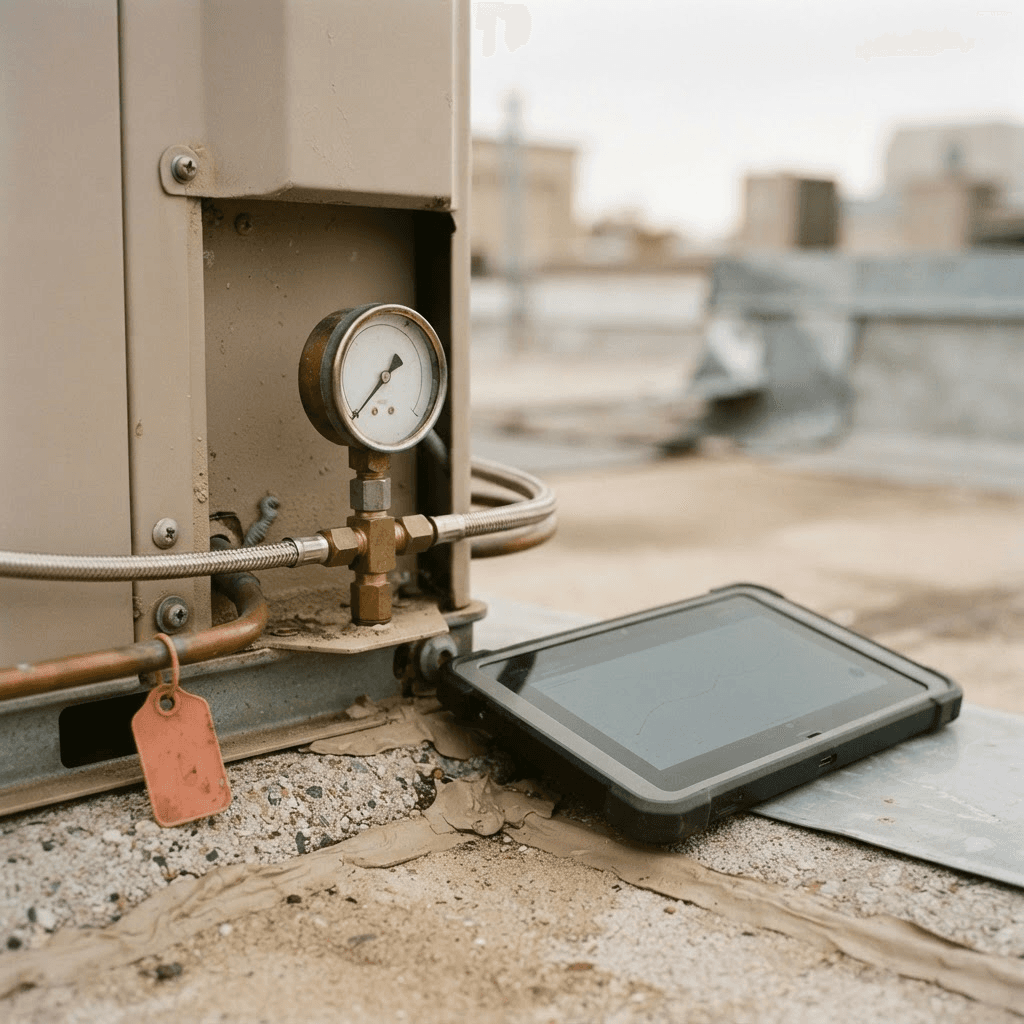
Predictive maintenance is a budgeting advantage before it is a technology one. Here is what it saves across a leased, multi-site portfolio.

Preventive bills on a calendar; predictive bills on condition. Here is which lowers cost across a multi-site portfolio, and where each one wins.

Enterprise asset management software was built for the factory floor. Here are the 8 best options for multi-site occupiers in 2026, ranked.

How to price every line item on real delivery cost instead of the number a vendor hands you.

Reading portfolio performance in real time so the call to invest, hold, or exit is grounded in evidence.

Why operational intelligence should act on your data without training shared models on it.

A look at how disciplined estimating tightens budgets across a national rollout.

Co-tenancy rights only help when someone is watching. Here is how to keep them enforced at scale.

Sequencing replacements across locations so capital lands where it returns the most.

The events that trigger a remeasurement, and how to post each one without breaking the audit trail.

Abatements, PILOTs, and enterprise zones go unclaimed. A way to surface eligibility across the portfolio.