What is predictive maintenance software, and when is it worth it?
Last updated:
7 min read

Predictive maintenance software is the system that decides when to service an asset based on its measured condition rather than on a schedule. Where preventive maintenance runs on a calendar or run-hours interval, predictive maintenance, also called condition-based maintenance, watches signals from the asset (vibration, temperature, run current, building system data, inspection readings) and triggers the work when those signals show failure is heading your way. The software collects the condition data, models what "healthy" looks like, flags the deviation, and opens the work order before the breakdown happens.
The reason to care is cost, and the number most people quote comes from the US Department of Energy. According to the DOE's Operations and Maintenance Best Practices Guide, a functioning predictive program runs roughly 8 to 12 percent below a preventive one, and as much as 40 percent below reactive run-to-failure. That figure is real, but it is an average over the assets predictive is suited to. It is not a promise that monitoring everything saves money.
Predictive vs preventive maintenance, in one table
| Preventive maintenance | Predictive maintenance | |
|---|---|---|
| Trigger | Fixed calendar or run-hours interval | Measured condition of the asset |
| Also called | Scheduled maintenance | Condition-based maintenance |
| Data needed | Manufacturer intervals, service history | Sensors, meters, building system feeds, inspection logs |
| Fails by | Over-servicing healthy assets; missing faults between visits | Cost of monitoring assets that were cheap to just replace |
| Best for | Low-cost assets and mandated inspections | High-value assets where failure is expensive and detectable |
| Cost position | Baseline | Roughly 8 to 12% below preventive on the right assets (US DOE) |
For the full portfolio-level version of this comparison, see preventive vs predictive maintenance.
When predictive maintenance software is worth it
The test is two questions, and both have to be yes. Can the asset's condition be measured before it fails? And is a failure expensive enough that catching it early pays for the monitoring? On a rooftop HVAC unit over a busy store, both are yes: the condition degrades detectably, and a failure means a hot or closed site and an emergency repair at premium rates. On a cheap light fixture, monitoring costs more than the fixture, so predictive never earns its keep.
For a multi-site occupier, the assets that clear both bars are consistent across the portfolio: HVAC and rooftop units, commercial refrigeration, elevators, and electrical switchgear. Concentrating condition monitoring there, and leaving the long tail of cheap assets on a sensible preventive or reactive footing, is where the real saving comes from. The mistake is buying predictive maintenance software and pointing it at everything.
What the software actually needs
Three things. Condition data, from sensors, meters, building automation systems, or disciplined manual inspection. A baseline per asset, so the software can tell a real signal from normal noise, which takes a little time to establish. And a work-order path, so a flagged signal becomes a scheduled repair by a named vendor rather than an alert nobody actions. That last piece is why predictive maintenance works best inside a broader maintenance management system rather than as a standalone sensor dashboard.
REAL approaches predictive maintenance as a prioritization problem across sites: it reads asset and warranty detail out of documents, watches condition where it is available, and ranks the work by the cost of failure and the value of the location, next to lease and portfolio data. See how that plays out in predictive maintenance for multi-site portfolios and how it connects to asset performance management.
FAQ
Is predictive maintenance software the same as condition-based maintenance?
- Effectively yes. Condition-based maintenance is the method (service on measured condition), and predictive maintenance software is the tooling that collects the data, models the baseline, and triggers the work. Some vendors reserve "predictive" for model-driven forecasting on top of condition monitoring, but for buyers the two are used interchangeably.
How much does predictive maintenance save?
- The US Department of Energy puts a predictive program at roughly 8 to 12 percent below preventive and up to 40 percent below reactive, but only on assets whose condition is measurable and whose failure is costly. On cheap, easily replaced assets it saves nothing.
Do I need IoT sensors to start?
- Not everywhere. You can begin with the condition data you already have, such as building automation feeds and meter readings, plus disciplined inspection, and add sensors only on the high-value assets where early warning clearly pays.
More From Our Blog
More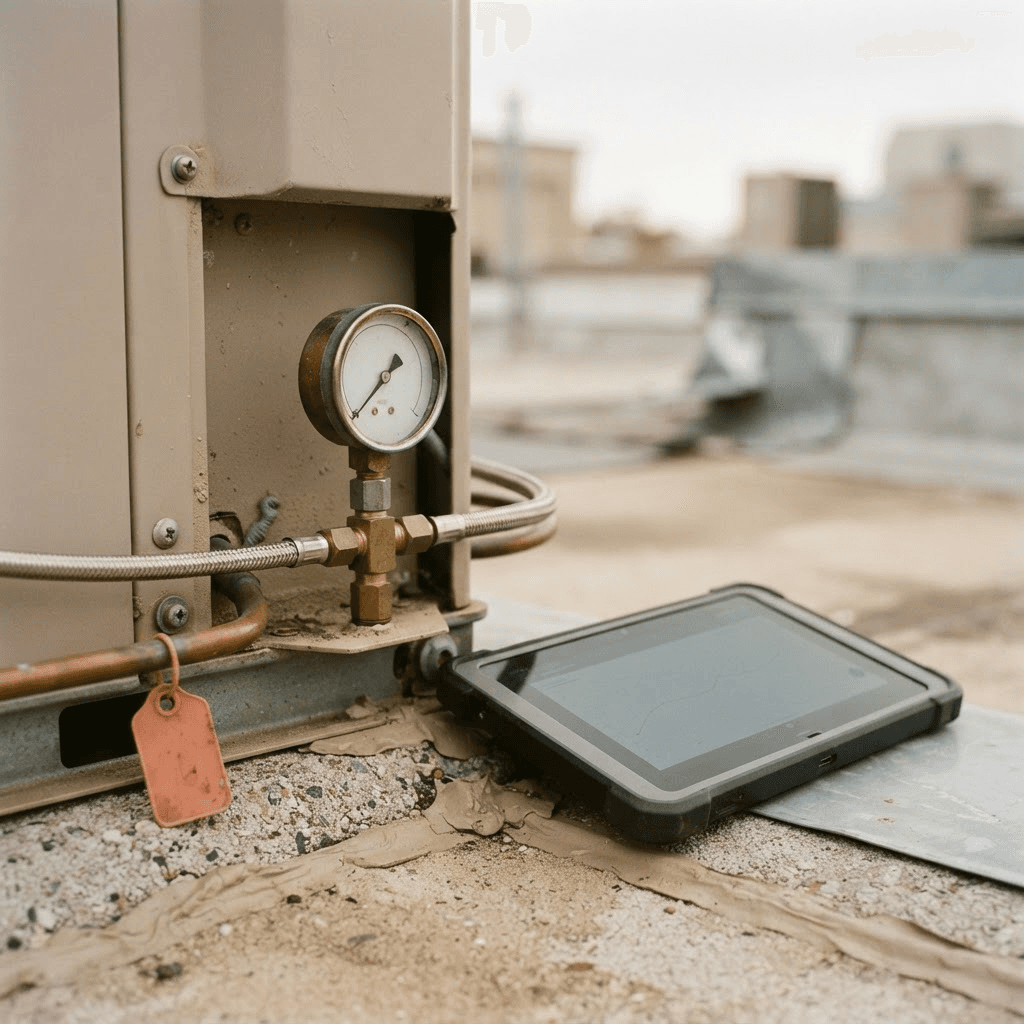
Predictive maintenance for multi-site portfolios: what it actually saves
Predictive maintenance is a budgeting advantage before it is a technology one. Here is what it saves across a leased, multi-site portfolio.

Preventive vs predictive maintenance: which lowers cost across a portfolio?
Preventive bills on a calendar; predictive bills on condition. Here is which lowers cost across a multi-site portfolio, and where each one wins.

The 8 best enterprise asset management software options for multi-site occupiers in 2026
Enterprise asset management software was built for the factory floor. Here are the 8 best options for multi-site occupiers in 2026, ranked.

Initial agents live in two weeks.
Start with one or two high-value workflows, connect the required data and documents, measure the result, then expand across domains.
- A tailored onboarding for every enterprise.
- Fitted to how you actually work.
- Continuous support as your portfolio evolves.