Published:
Last updated:
Estimating store buildouts on real delivery cost
A look at how disciplined estimating tightens budgets across a national rollout.
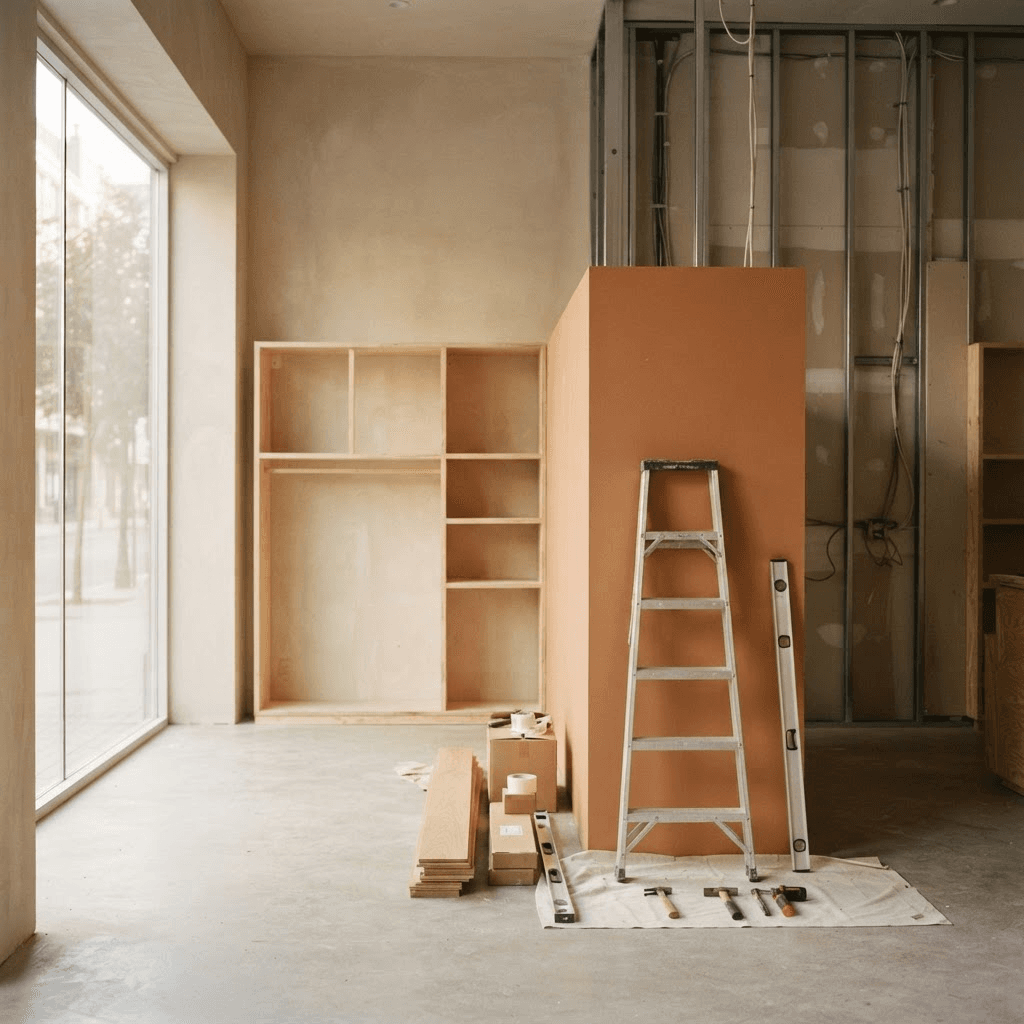
Store buildouts are estimated early, approved on that estimate, and delivered months later against real prices, real site conditions, and real change orders. When the estimate was a clean per-square-foot assumption, the gap shows up as an overrun nobody planned for, and the data says that gap is the rule rather than the exception.
This piece covers why assumption-based estimates miss, what estimating on real delivery cost means, and how a drawing-based takeoff grounds it.
Why assumption-based estimates miss
Cost overruns are the construction baseline. McKinsey Global Institute research finds the large majority of projects exceed budget, with overruns commonly around 28 percent and larger projects running well beyond that (McKinsey). An estimate anchored to a generic per-square-foot figure does not account for the conditions, escalation, and change orders that produce those overruns, so it is wrong before the first invoice arrives. The fix is to start the estimate from data that already includes those realities.
Estimating on real delivery cost
Estimating on real delivery cost flips the starting point. Instead of a generic assumption, you begin with what your own comparable buildouts actually cost to deliver, in similar markets, at similar scope, including the parts that came in over. Your delivered history is the most honest cost model you have, because it already contains the overruns that a benchmark leaves out. The more buildouts you have delivered, the better that model gets.
Grounding it in the drawings
A drawing-based takeoff sharpens the estimate further: read the actual plans, quantify the work, and price it against your delivered history rather than a catalog. That requires your historical delivery cost organized and your drawings readable, the same foundation that makes bid analysis against your track record possible and that feeds capital planning. A grounded buildout estimate is also part of the case for whether to open, hold, or consolidate a location.
REAL reads project drawings into a quantified takeoff and prices the work against your own delivered cost history, so a new store estimate is grounded in what your buildouts actually cost rather than what you hoped they would.
Frequently asked questions
What does estimating on real delivery cost mean?
- Building the estimate from what your comparable projects actually cost to deliver, including overruns and change orders, rather than a generic per-square-foot assumption. Your delivered history already contains the realities a benchmark omits.
Why do buildout estimates so often miss?
- Because construction overruns are the norm, averaging around 28 percent industry-wide, and an assumption-based estimate does not account for the conditions, escalation, and change orders that produce them.
How does REAL support buildout estimates?
- REAL reads project drawings into a quantified takeoff and prices the work against your own delivered cost history, so a new store estimate reflects what your buildouts actually cost.
See REAL run end to end.
Watch a demoRelated posts

Bid analysis measured against your own track record
How to price every line item on real delivery cost instead of the number a vendor hands you.

Best construction budgeting software for 2026
Construction budgeting software ranges from general contractor tools to capital-project governance to retail rollout platforms. Here is how four compare.

Best bid leveling software for 2026
Bid leveling software splits by which side of the bid it levels. Here is how REAL, Procore, and Buildr compare, and who should use each.