Published:
Last updated:
What is a utility bill audit, and why multi-site portfolios need one
A utility bill audit checks whether the invoice was billed correctly, not whether the building used energy efficiently. The errors it finds are structural.
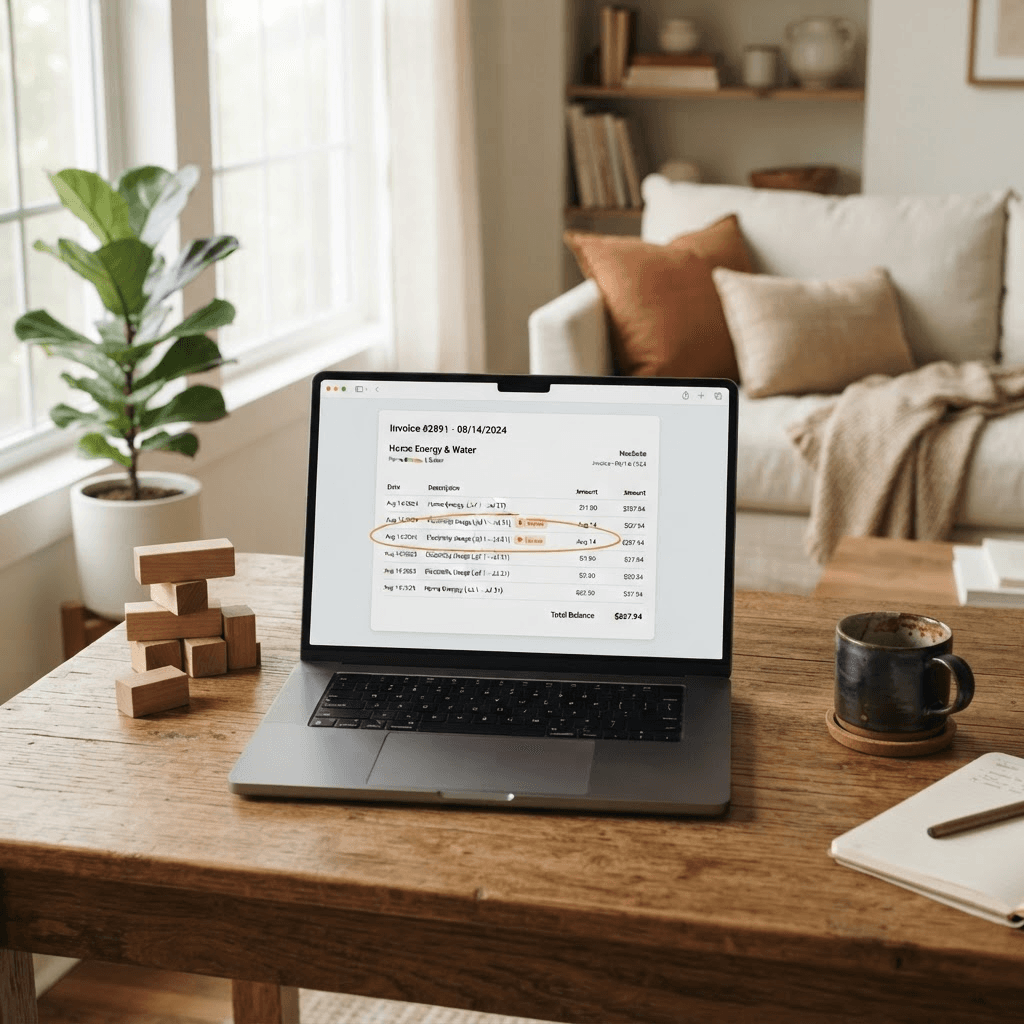
A utility bill audit is a review of an organization’s electric, gas, water, and waste invoices to check whether each one was billed correctly, not whether the building used energy efficiently. An energy audit looks at consumption and efficiency. A utility bill audit looks at the invoice itself: the rate schedule applied, the meter numbers charged, the taxes and fees included, and whether the amount billed matches what the tariff actually allows.
What a utility bill audit usually finds
- Wrong rate schedule after a renovation, equipment change, or utility tariff update
- Meters still billed at closed, sold, or subleased locations
- Estimated bills never trued up against actual usage
- Missing sales tax, franchise fee, or demand-charge exemptions
- Late fees on charges that were already flagged and under dispute
None of these show up by glancing at a monthly total. They show up when someone checks the bill against the rate schedule, the active site list, and the exemption paperwork, line by line, invoice by invoice.
Why a one-time audit is not the end of the problem
A traditional utility bill audit is a project: pull months of invoices, verify the rate schedule and meter numbers, check for missed exemptions, file disputes, and collect a refund or credit. The limitation is timing. A rate change six months later, a new meter installed after a remodel, or a site divested the following quarter starts the leak again, and nobody notices until the next audit cycle.
Where continuous monitoring changes the math
REAL's Utility Spend Agent runs the same checks a utility bill audit performs, rate schedule, meter status, exemptions, estimated-versus-actual usage, but continuously, across every invoice as it arrives. A location flagged as closed by the lease or construction record gets checked immediately for a utility account that should have closed with it, instead of waiting for the next scheduled audit.
Who should run one, and how often
A portfolio that has never had a utility bill audit should run one regardless of whether it stays a one-time project or moves to continuous monitoring afterward. A portfolio with frequent site changes, openings, closures, remodels, subleases, is the clearest case for moving from a periodic audit to something that runs continuously.
Frequently asked questions
Is a utility bill audit the same as an energy audit?
- No. A utility bill audit checks whether invoices were billed correctly against the rate schedule, active meters, and applicable exemptions. An energy audit looks at consumption and efficiency, like equipment performance and building envelope, rather than billing accuracy.
How far back can a utility bill audit go?
- Utilities generally allow billing disputes and refunds within a limited lookback window, commonly one to three years depending on the jurisdiction and provider, so most audits review roughly the trailing 12 to 24 months of invoices.
Can a utility bill audit find money at locations that are already closed?
- Yes, and this is one of the most common findings. Utility accounts at closed, sold, or subleased locations often stay open and billed because closing the account was never assigned to anyone on the transition checklist.
How often should a multi-site portfolio audit its utility bills?
- A one-time audit is a starting point, not a solution. Because rate changes, meter swaps, and site changes introduce new errors continuously, portfolios with frequent site activity benefit from checking bills on every cycle rather than waiting for the next scheduled audit.
See REAL run end to end.
Watch a demoRelated posts

How to audit common area maintenance charges on a commercial lease
Reconcile every CAM charge against your lease: confirm your pro-rata share, strip excluded and capital items, apply every cap, and check the gross-up before you pay.

The CAM reconciliation playbook for multi-location portfolios
How to audit common area maintenance charges at scale and recover what the statements quietly overstate.

CAM reconciliation and ASC 842: the accounting intersection
Base rent gets modeled cleanly at go-live. CAM true-ups are the part that keeps generating surprises, and they feed directly into ROU asset and lease liability calculations.